
In modern metal processing, accurate stacking is just as important as precise cutting and consistent material quality. Once metal sheets are cut from a coil or separated by a blanking press, they need to be transferred and stacked neatly for storage, packaging, or further processing. Poor positioning can result in uneven stacks, misaligned edges, surface damage, and additional handling work. For manufacturers handling aluminum, non-ferrous metals, and other surface-sensitive materials, a reliable Vacuum Stacker is an important part of an efficient production line.
The stability of vacuum suction has a direct impact on how securely a sheet is held during transfer and how accurately it is positioned when released. However, consistent stacking depends on more than vacuum pressure alone. Airflow distribution, vacuum belt condition, sheet flatness, transfer timing, and coordination with upstream equipment all play a role. Understanding these factors helps manufacturers choose a vacuum stacking system that suits their materials, production speeds, and handling requirements.
A vacuum stacking system uses negative pressure to hold and transfer individual metal sheets. Depending on the machine design, this may involve suction cups or a perforated vacuum belt. Once a sheet reaches the stacking area, the vacuum is released at the appropriate point, allowing the sheet to settle into position on the stack.
When suction is insufficient or fluctuates during transfer, a sheet may shift, vibrate, or lose its intended position. This can be particularly problematic when handling thin aluminum sheets, large blanks, or materials with uneven surfaces. On high-speed production lines, even a slight delay in gripping or releasing a sheet can disrupt the stacking sequence and affect the consistency of the finished stack.
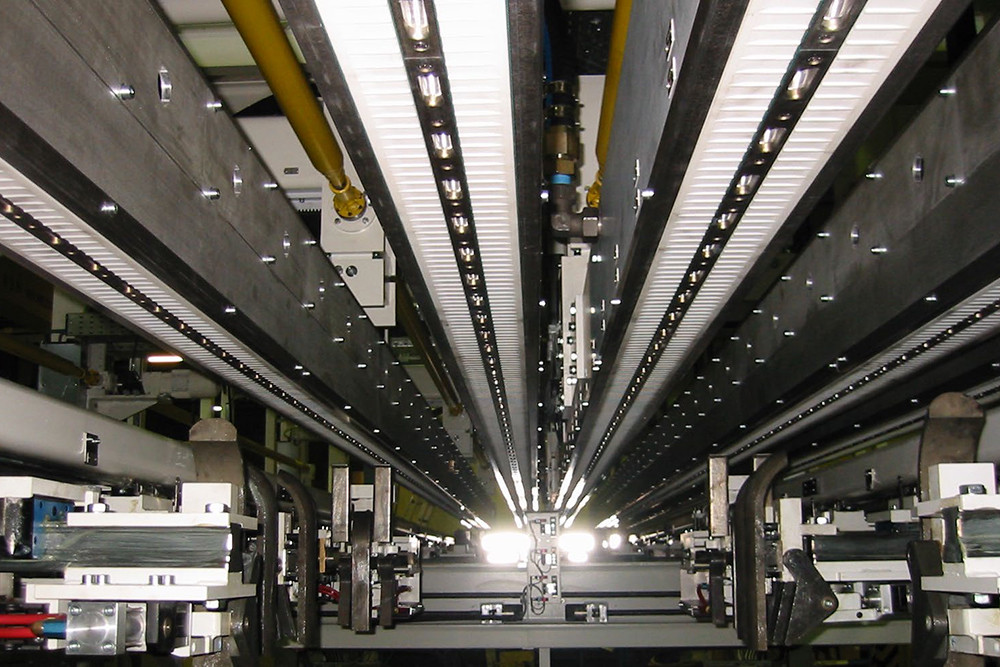
Maintaining stable suction helps prevent these problems by keeping sheets securely positioned throughout the transfer cycle. It also supports repeatable placement and reduces the need for manual correction. These benefits matter to manufacturers producing automotive panels, household appliance components, and precision metal parts, where orderly stacking is essential for efficient downstream handling.
Vacuum pressure creates the pressure difference needed to hold a sheet against the suction surface. However, a higher vacuum reading does not necessarily mean better handling performance. Actual holding force also depends on the effective suction area, airflow, air leakage, and the degree of contact between the sheet and the vacuum surface.
If the vacuum system cannot maintain sufficient airflow, suction may become unstable, particularly when handling warped sheets or materials that do not fully cover the suction area. Uneven airflow can also create differences in holding force across the sheet, increasing the risk of movement during acceleration, deceleration, or changes in transfer direction.
When evaluating a vacuum stacker, manufacturers should therefore look beyond the vacuum generator itself. Ventilator capacity, duct layout, sealing performance, and suction area configuration all need to be matched to the dimensions and characteristics of the sheets being processed.
The vacuum belt is another key component in reliable sheet handling. Its construction, perforation pattern, material, and running condition determine how air passes through the belt and how evenly suction is applied to the sheet. Blocked openings or contamination on the belt surface can restrict airflow and reduce suction effectiveness.
Wear and improper belt tension can cause further problems. A damaged or poorly tracked belt may affect transfer stability, making sheet positioning less predictable. For aluminum and other materials with demanding surface quality requirements, belt cleanliness is especially important because accumulated particles or residue can leave marks or scratches on finished sheets.
SUMIKURA's Vacuum Stacker uses a ventilator-based vacuum belt arrangement and includes a pneumatic cleaning system for the outer belt surface. This design addresses two practical requirements in continuous stacking operations: maintaining effective airflow and keeping the belt clean during operation.
Different sheet materials place different demands on a vacuum stacking system. Aluminum is relatively lightweight and can be susceptible to surface marking, while heavier steel blanks may require greater holding capacity depending on their dimensions and thickness. Thin sheets are also more prone to flutter or deformation during rapid movement, particularly when their flatness is inconsistent.
Sheet geometry is equally important. Large blanks need sufficient suction coverage to prevent unsupported sections from shifting during transfer. Warped sheets may not make consistent contact with the vacuum surface, while oil residue or other surface contamination can affect sealing and handling conditions.
Before selecting a vacuum stacker, manufacturers should consider material type, sheet dimensions, thickness, weight, flatness, and surface condition. These details provide a much more practical basis for equipment selection than maximum vacuum pressure alone.
A sheet needs to maintain its position relative to the conveyor and stacking platform throughout the transfer process. If suction force fluctuates, the sheet may slide sideways or rotate slightly before reaching the stacking position. Even minor movement can result in uneven edges and inconsistent stack dimensions.
A properly configured vacuum system helps keep each sheet in the intended position during transfer. When combined with suitable guiding mechanisms and synchronized conveyor movement, stable suction improves positioning consistency and reduces the likelihood of misaligned stacks.
Accurate stacking depends on both secure pickup and controlled release. If the vacuum is released too early, the sheet may drop before reaching its intended position. If release is delayed, the sheet may be dragged or shifted while the conveyor or stacking platform continues moving.
The control sequence must coordinate suction activation, sheet transfer, positioning, and release. Sensors and automated control systems can help synchronize these operations and maintain a consistent stacking cycle. This becomes particularly important in automated blanking lines, where the stacker must keep pace with the output of the press or cutting equipment.
Vacuum stacking is particularly useful when handling non-ferrous metals and sheets with sensitive surface finishes. Unlike magnetic stacking, which is limited to suitable ferromagnetic materials, vacuum systems can handle aluminum and other non-magnetic sheets when properly configured.
Controlled suction helps minimize unnecessary sliding and impact during transfer, which can be beneficial when processing automotive exterior panels and other components with high surface quality requirements. However, surface protection also depends on belt cleanliness, contact materials, sheet condition, and the design of the entire transfer path. These factors should be considered together when evaluating a sheet handling system.
Improving stacking accuracy starts with matching the vacuum system to the actual production requirements. Sheet dimensions, weight, material type, and line speed should all be considered when determining the suction area and system configuration. For large or irregular blanks, the distribution of suction points or belt openings needs particular attention to prevent unsupported areas from moving during transfer.
Regular inspection and cleaning of the vacuum belt are equally important. Dust, metal particles, oil residue, and other contaminants can restrict airflow or affect the contact surface. Maintenance should follow the equipment manufacturer's recommendations, with checks covering belt tracking, tension, perforation condition, and visible wear. SUMIKURA's pneumatic belt cleaning arrangement is designed to help keep the outer belt surface clean during operation.
Production line synchronization is another factor that directly affects stacking results. In a cut-to-length line, sheets arrive at the stacking station after leveling and shearing. In a blanking line, finished blanks are transferred after the press operation. If conveyor speed, sheet arrival intervals, and release timing are not properly coordinated, even a well-designed vacuum system may struggle to maintain consistent stacking. Accurate sheet detection and appropriate control settings help keep the entire process running smoothly.
It is also worth monitoring changes in vacuum performance rather than waiting for visible stacking defects. Fluctuating vacuum pressure, longer pickup times, incomplete sheet pickup, and inconsistent release behavior may indicate air leakage, blocked passages, belt wear, or control issues. Regular inspections and preventive maintenance can identify these problems early and reduce the risk of unexpected production downtime.
A vacuum stacker is rarely an isolated piece of equipment in a modern metal processing plant. Its performance depends on how well it works with the machinery before and after the stacking station. In a typical cut-to-length line, metal passes through uncoiling, leveling, feeding, and shearing before individual sheets are transferred to the stacking area. The stacker must handle each sheet at the correct interval without interrupting the production rhythm.
A similar requirement applies to press blanking lines. Once the press has produced the required blank shape, the stacking system needs to handle each piece according to its dimensions, material, and surface quality requirements. Automated control helps coordinate feeding, transfer, positioning, and stacking. Depending on the line layout, multiple stacking stations may also allow completed stacks to be removed while production continues.
For manufacturers processing both steel and aluminum, combining different stacking technologies may provide greater flexibility. Magnetic systems are suitable for ferromagnetic sheets, while vacuum systems can handle aluminum and other non-ferrous materials. The right arrangement depends on the material range, blank geometry, production speed, and surface protection requirements.
SUMIKURA offers both vacuum and magnetic stacking solutions for metal processing lines. Its website also introduces a hybrid system combining magnetic and vacuum technologies, with main components supplied by NSM. This arrangement is particularly relevant to production environments that handle different metal materials and require more than one approach to sheet transfer.
When comparing vacuum stackers, buyers should look beyond advertised operating speeds and vacuum capacity. Material compatibility is a good starting point. The machine needs to accommodate the actual metal types, thicknesses, sheet dimensions, weights, and surface conditions involved in production. Maximum sheet size and weight should be evaluated alongside the required stacking accuracy and operating cycle.
The vacuum system itself also deserves close attention. Buyers should ask about ventilator capacity, suction distribution, belt construction, cleaning arrangements, and how the system detects or handles air leakage. These details help determine whether the machine can maintain reliable suction under actual production conditions. It is also worth checking how easily the belt and other wear components can be inspected, cleaned, adjusted, and replaced.
Integration with existing equipment is just as important. A vacuum stacker installed in a high-speed blanking line must work smoothly with the press discharge system, conveyors, sensors, and central control platform. Buyers should clarify communication requirements, transfer sequences, stack height control, and pallet handling arrangements during the engineering stage. Providing the equipment supplier with actual material samples and production specifications can also help ensure a more suitable configuration.
SUMIKURA provides stacking solutions designed for integration into automated metal processing lines. Its Vacuum Stacker features a ventilator-based vacuum belt system and a pneumatic cleaning arrangement for the outer belt surface. These features address two practical requirements in continuous stacking operations: maintaining effective airflow and keeping the belt in good working condition.
The company also presents a hybrid stacking system that combines magnetic and vacuum technologies, with main components supplied by NSM. This arrangement offers an option for production environments handling different metal materials and requiring flexible sheet transfer solutions.
SUMIKURA's wider product range includes blanking lines and cut-to-length lines, where stacking forms part of an integrated process involving leveling, feeding, and cutting. Its published blanking line information includes configurations for CRS, HRS, and aluminum, with magnetic and vacuum stacking options available on the Lilai blanking line. Its cut-to-length line solutions also incorporate magnetic or vacuum stacking according to production requirements.
Rather than treating stacking as a separate finishing step, SUMIKURA integrates it into the overall sheet processing line. This approach is relevant to manufacturers looking to improve material handling, maintain consistent stacking quality, and achieve more reliable automated production.
Vacuum suction stability plays an important role in sheet metal stacking accuracy, but reliable performance depends on several factors working together. Airflow distribution, vacuum belt condition, sheet flatness, material characteristics, release timing, and production line synchronization all influence the final result. Addressing these factors as part of the complete handling process can help manufacturers reduce sheet misalignment, minimize rehandling, and maintain more consistent stack quality.
For manufacturers planning a new metal processing line or upgrading existing equipment, the right vacuum stacker should be selected according to actual material specifications, production speeds, surface quality requirements, and automation needs. With its vacuum belt system, pneumatic belt cleaning arrangement, and hybrid stacking options, SUMIKURA offers relevant solutions for integrating reliable sheet stacking into modern coil processing and blanking operations.

절단 라인 전문가!
 일본 공장

주소
487-3, Sanshincho, Chuoku, 하마마츠, 시즈오카, 일본
 일본 현지 시장 :+81 53-425-5331
중국 공장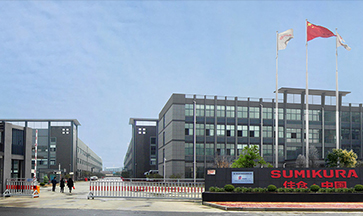
주소
265 Yixian Road, 더칭, 절강, 중국
해외 시장 :+86 572-883-2016



